
 ·











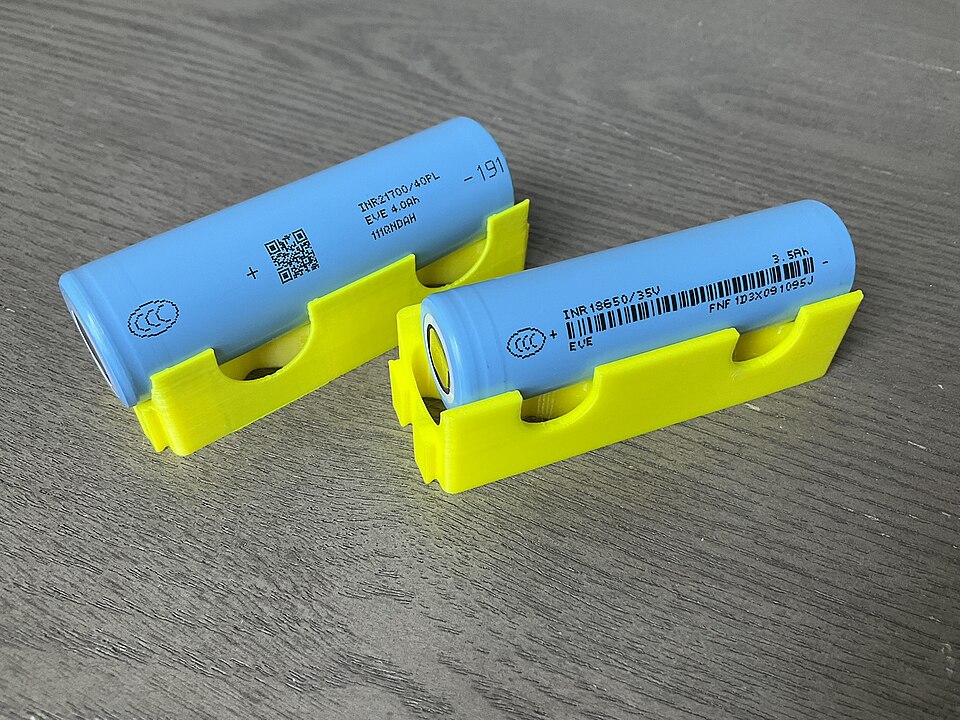
A product containing a lithium battery arrives with a cell datasheet. Is that enough to plan testing? Often, it is only a starting point. The same cell can appear in packs with different capacities, connections and protection boards. If these relationships are not explained at the quotation stage, the sample, report and shipped configuration can become difficult to reconcile.
Connect four levels of information
- Cell: manufacturer, full model, chemistry, rated voltage and capacity, and datasheet revision. Existing reports should identify the relevant model.
- Battery pack: pack model, series/parallel arrangement, rated voltage and energy, construction and label photographs, with the cell model identified.
- Protection and charging: protection-board or BMS version, principal protection functions, charger model and ratings, and whether charging is controlled by the pack or the product.
- Finished product: model, use, installation, operating and charging states, and instructions. Identify removable and spare batteries separately.
A one-page relationship sheet can link “device A—pack B—cell C—protection board D—charger E.” This is an organising suggestion, not a mandatory document format. Where suppliers or components can be substituted, list the permitted combinations. “Same series” leaves too much unexplained.
Check the model before relying on a UN 38.3 document
First establish whether the document is a full test report or a test summary. Compare the battery model, manufacturer, report reference and date. Subsection 38.3 of the UN Manual of Tests and Criteria concerns transport-related testing of lithium cells and batteries; paragraph 38.3.5 specifies test-summary information. The battery description, energy or lithium content and test results should be traceable to the product under review. A heading that says “UN38.3” is not enough.
Do not treat cell documentation as complete evidence for an arbitrary pack without assessment. If the cell, connections, protection design or construction have changed, provide a change record so the project team can assess whether existing evidence remains applicable and whether additional assessment is needed.
UN 38.3 evidence serves a different purpose from finished-product safety assessment. A test summary alone also does not establish compliance with every transport requirement. The IATA 2026 battery guidance separately addresses classification, packaging, marks and transport documents. State whether the battery is shipped alone, packed with the equipment but not installed, or contained in the equipment. Transport requirements need their own review.
Confirm receiving conditions before dispatch
Tell the project team the proposed sample quantity, whether the design is final, the physical condition and which documents are available. Prepare sample numbers, state of charge, conditioning and accessories against the agreed test plan rather than copying another project’s instructions. Disclose swelling, leakage, damage or abnormal heating before dispatch, and confirm handling with the receiving party and carrier; do not send such items as ordinary intact samples.
Use SCS’s battery safety and transport testing page to submit the information, or review UN 38.3 testing when defining transport-test needs. Include the model relationship sheet, destination markets, application and planned transport mode so battery testing, product requirements and shipping documents can be considered together.
Sources checked on 21 October 2026. UNECE publishes Rev.8 and its 2025 Amendment 1; the applicable edition and shipment conditions depend on the relevant rules.
